Most people who drive past 1515 Lake-Cook Road each week have the same assumption: the shiny outdoor retail and dining district comes first, and the housing follows once the crowds are back. That is the natural order for a mall rebuild. It is also not what Northbrook actually approved.
In March 2025, the village board let Brookfield Properties flip the sequence. Residential construction, apartments, row houses, and townhomes, got the green light to move ahead of the retail overhaul, not behind it. If you have been waiting for cranes to show up around the shopping side and wondering why the storefronts keep going dark instead, the reordering is the reason. It is also the part of this story that has gotten the least attention locally, even though it explains almost everything else.
What the Village Actually Signed Off On
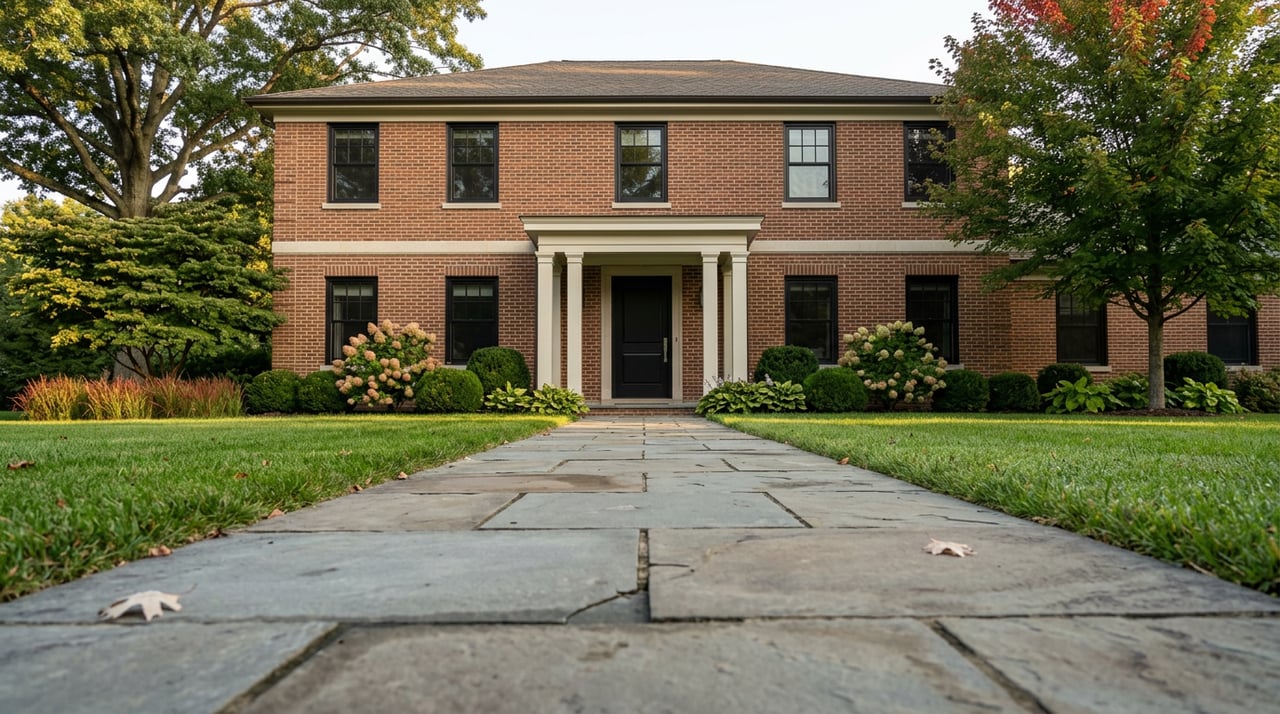
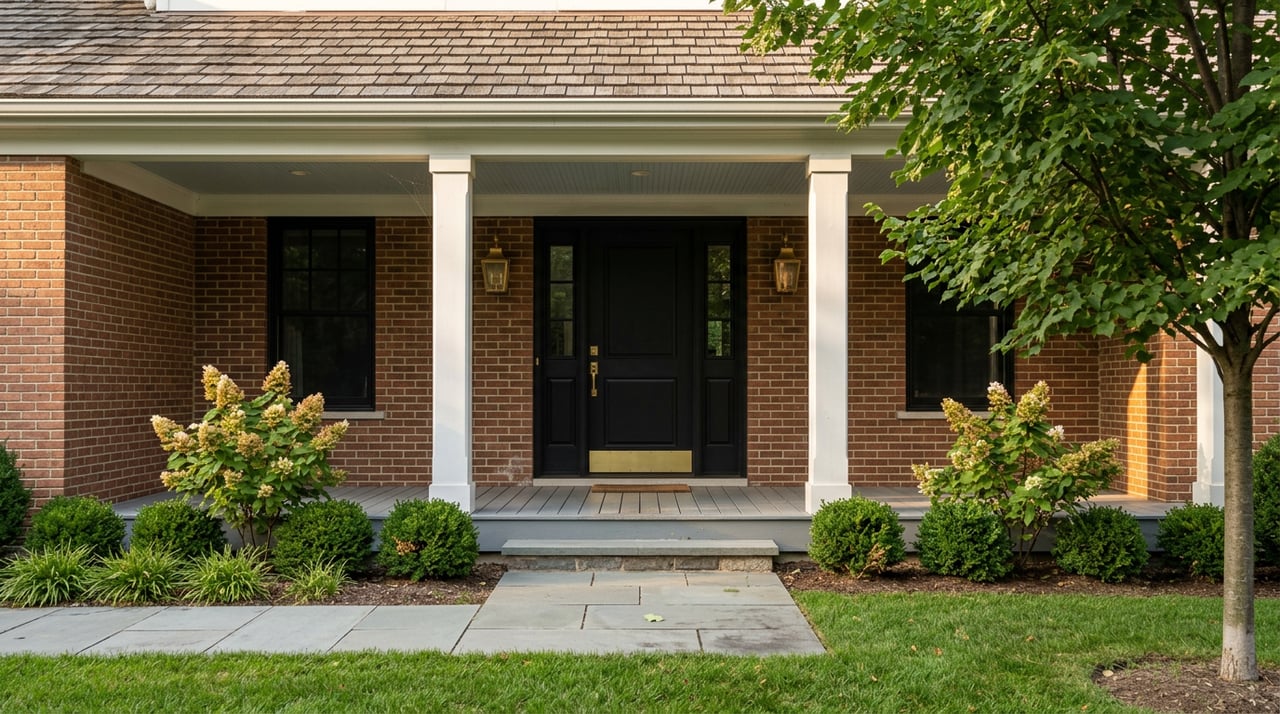
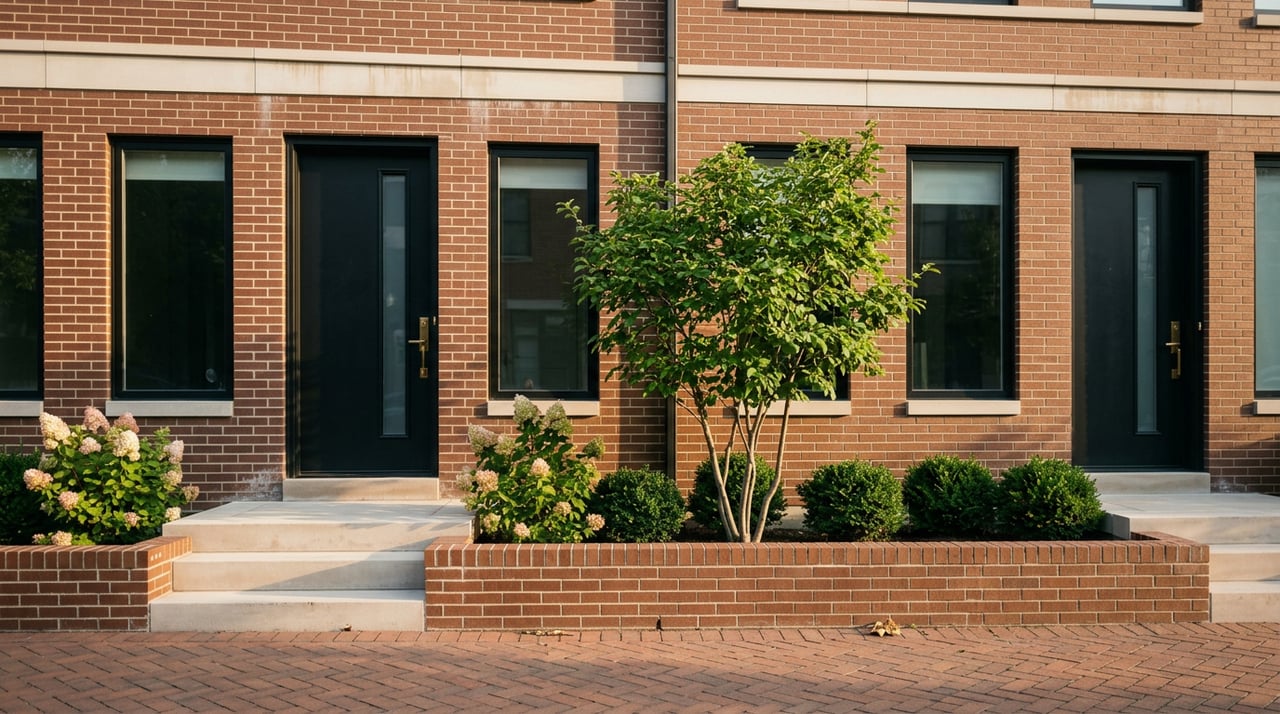
The original vision, unveiled in April 2023, was ambitious by any measure. Brookfield proposed remaking the roughly 100-acre site (some early coverage put the footprint closer to 130 acres, a reminder that even the basic numbers here have shifted depending on who is reporting them) into an open-air retail and dining destination on the northeast side, paired with a mixed-use residential neighborhood, up to 2,000 units across apartments, a 55-plus community, condominiums, and townhouses, wrapping the west, south, and east. Zoning documents allowed buildings as tall as 12 stories, a maximum of 135 feet, a scale the enclosed, single-story mall has never approached. Coverage at the time priced the project at $750 million, though later reporting from Crain's cited a figure of $825 million, a gap that has never been fully reconciled in public filings.
The board approved that framework unanimously in October 2023. Then, about seventeen months later, in March 2025, Brookfield came back and asked to change the order.
Why the Money Wanted Homes First
The reasoning is less about design and more about what a lender will actually finance in this rate environment. Retail construction has been a hard sell to capital markets for the past few years. Suburban apartment demand has not. Village President Kathryn Ciesla explained the trade in a statement to NBC Chicago, saying the shift "allows the developer the opportunity to better respond to current market conditions and build momentum for the overall redevelopment."
There is a second layer to this that matters more for anyone trying to guess when the retail side actually shows up. The village's economic incentive agreement, the tax increment financing and business-district revenue that Brookfield is counting on to help pay for the retail portion, does not activate on a calendar. It activates on a leasing threshold. As Ciesla put it when the amended agreement was reported by CRE Daily, "the agreement protects taxpayers by requiring 50% of retail to be leased before incentives are accessed."
Read that again from the perspective of a retail tenant deciding whether to sign a lease at a property that is still mostly parking lots and vacant storefronts. Nobody wants to be the first name on a building nobody else has committed to yet. But the public money that would help make the retail construction pencil out will not release until half the space is already spoken for. That is the loop this project has been stuck in, and building housing first is Brookfield's attempt to break it by giving the site rooftops and residents before it tries to convince retailers to bet on foot traffic that does not exist yet.
What's Confirmed, What's Still a Rendering
It helps to separate what the village and Brookfield have actually put in writing from what remains a concept board.
Confirmed:
- The residential portion has village approval to break ground ahead of retail
- The earliest possible groundbreaking window Brookfield itself has floated is summer 2026
- Retail incentive dollars are tied to a 50 percent leasing benchmark, not a date
- Neiman Marcus has stated on the record that it has no plans to close
Still a rendering:
- A firm groundbreaking date for the housing
- A finalized retail and dining tenant roster
- Whether the enclosed mall building itself is ever torn down, an option Brookfield's original plan left open but did not commit to
The village's own project page, last updated in December 2025, is careful about how it characterizes where things stand. It states that Northbrook "continues to have regular discussions with the Northbrook Court property owner regarding the future redevelopment of the property." That is municipal language for "nothing new to announce," and it is worth knowing that as of the most recent reporting, from earlier this year, the physical site looked essentially unchanged from when the plan was first unveiled three years ago. If you have driven past this summer and seen the same fencing, the same half-lit signage, and no visible construction, you are not missing news. You are seeing exactly what the record shows too.
The Empty Storefronts, Explained
The closures that have piled up over the last couple of years make more sense once you know the financing sits in this holding pattern. Apple closed its store citing the mall's "evolving redevelopment plans." Lululemon, Forever 21, Auntie Anne's, and Sephora have all shuttered as well. None of that reads as a coincidence once you understand that no tenant wants to renew a lease inside a property whose owner has publicly committed to eventually reshaping it, and whose retail incentive structure explicitly rewards waiting rather than staying.
What remains is a leaner but still real list: Neiman Marcus, Chanel, White House Black Market, The Lego Store, and Chico's, along with two Hi-Five Sports Zone locations that run sports camps and classes for kids as young as two. The mall's 14-screen AMC Dine-In theater is still running on the south side, and the dining lineup, California Pizza Kitchen, Di Pescara, an outparcel P.F. Chang's, and the NM Cafe inside Neiman Marcus, has held steadier than the apparel wing. That split, department store and services holding on while apparel empties out, tracks with what the sequencing predicts: the businesses most exposed to declining mall foot traffic are the ones leaving first.
The Mall Hollywood Remembers
Before any of this, Northbrook Court had a run as an accidental filming location. John Hughes grew up in Northbrook and attended Glenbrook North High School, and when he needed a mall for 1985's Weird Science, he used the one from home, the exterior now occupied by California Pizza Kitchen. Five years earlier, Robert Redford filmed a brief scene for Ordinary People inside the mall, Mary Tyler Moore's character shopping at Neiman Marcus and riding the escalator, in a film that went on to win four Academy Awards. Neither scene runs long, but residents who grew up here tend to remember them anyway, which says something about how long this building has been part of the neighborhood's own memory before it became a redevelopment case study.
What This Summer Actually Means
Summer 2026 was always described as the earliest possible window, not a promise. Given that the most recent confirmed update on the ground, and the village's own December 2025 language, both describe a project still in discussion rather than under construction, the honest read is that this is a season to watch rather than a season to expect visible change. The things worth tracking going forward are concrete and checkable: a building permit filed with the village, site fencing beyond what already exists, and any announcement that the 50 percent retail leasing threshold has been hit, since that is the number that actually unlocks the incentive dollars tied to the more visible half of this project.
If you want a running sense of what else is shifting around Northbrook block by block, our Northbrook neighborhood page tracks the kind of local change that does not always make it into a headline but shapes daily life here all the same.
Northbrook Court will look different eventually. The order it is happening in, and the financial logic holding the retail half in place, is the part of the story that explains why the wait has lasted this long. Understanding that sequence is the difference between wondering why nothing has changed and knowing exactly what to watch for next.
If you have questions about how any of this shifts the neighborhood you already call home, or you are simply curious what a hyperlocal read on your own block might turn up, Lotzof Malk Residential is always glad to talk it through. Start the Conversation.